Teaching numbers using ZIMOVA SYSTEM / VISUAL LEARNING TECHNIQUE
with the aim of recognizing the quantitative value of a number.
with the aim of recognizing the quantitative value of a number.

The NUMBERS BIT DIFFERENTLY facilitate the learning of numbers and the ability to distinguish the quantitative value of numbers:

Visual matching
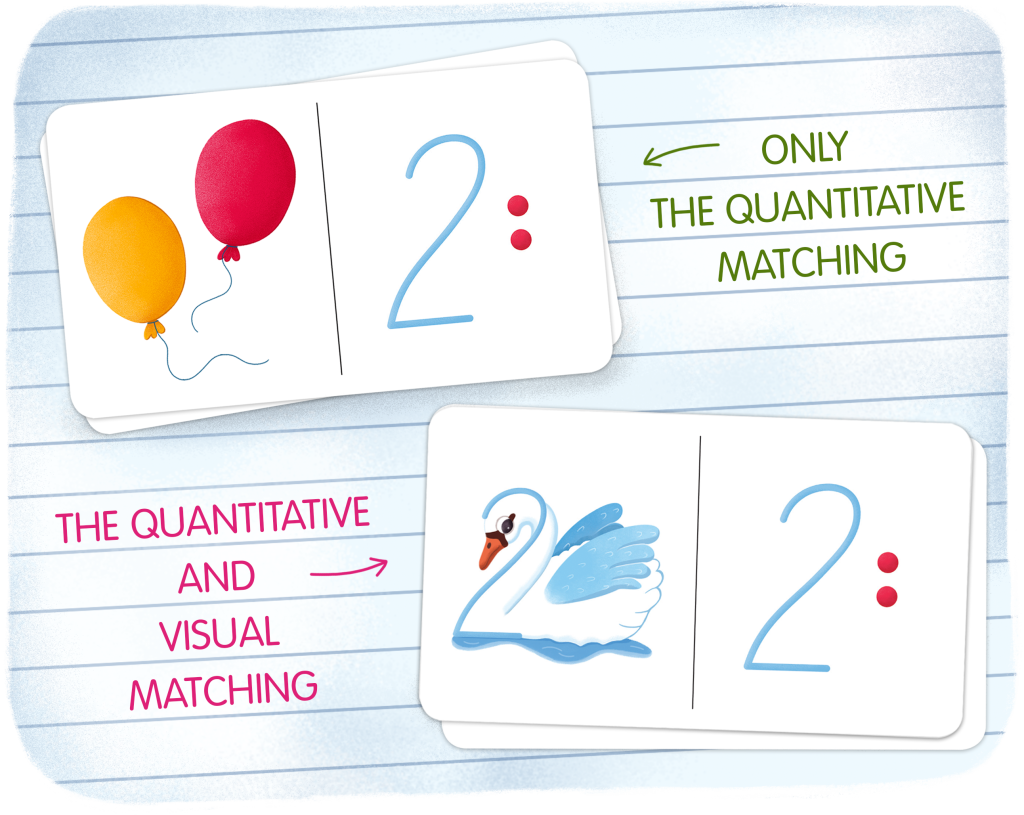
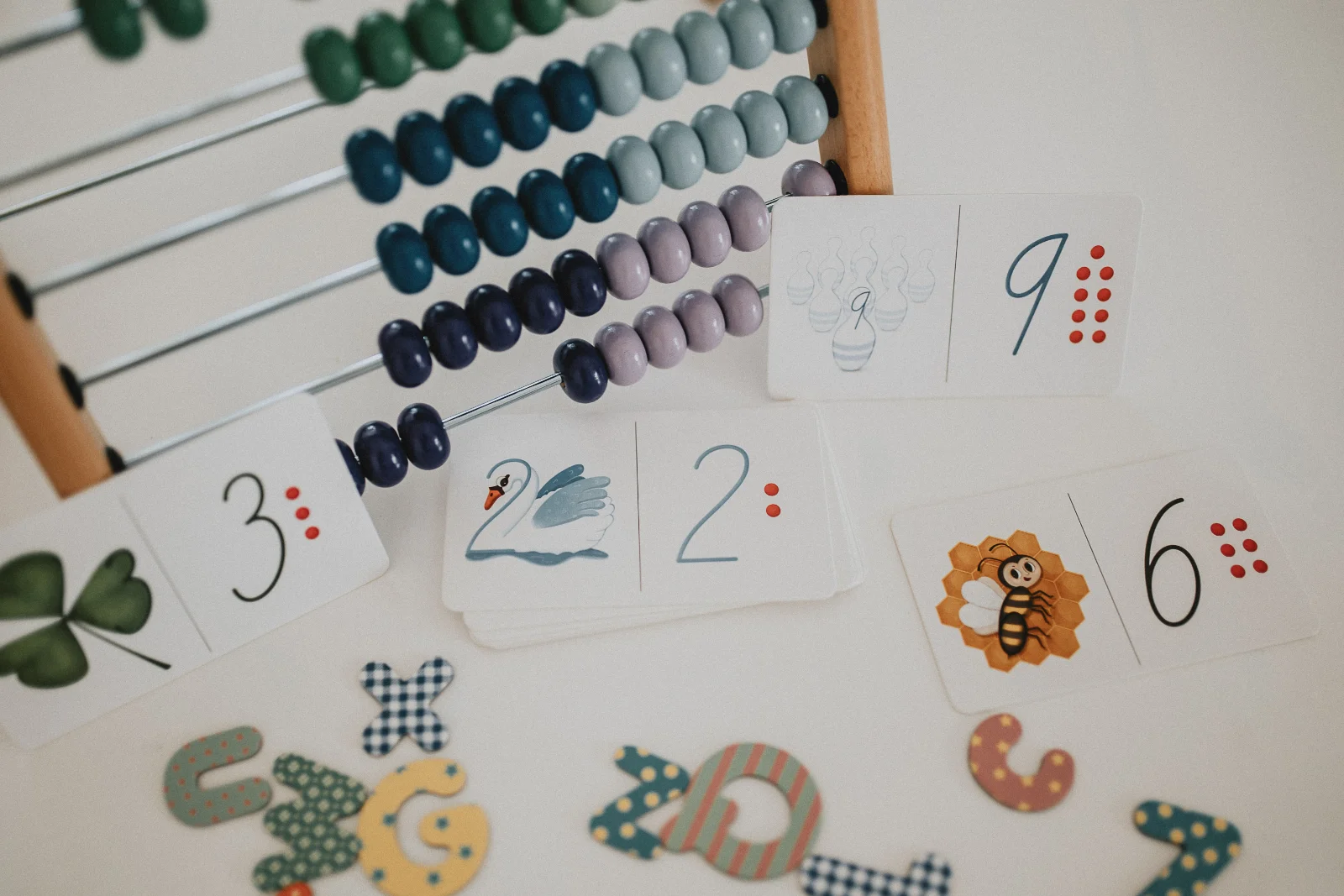
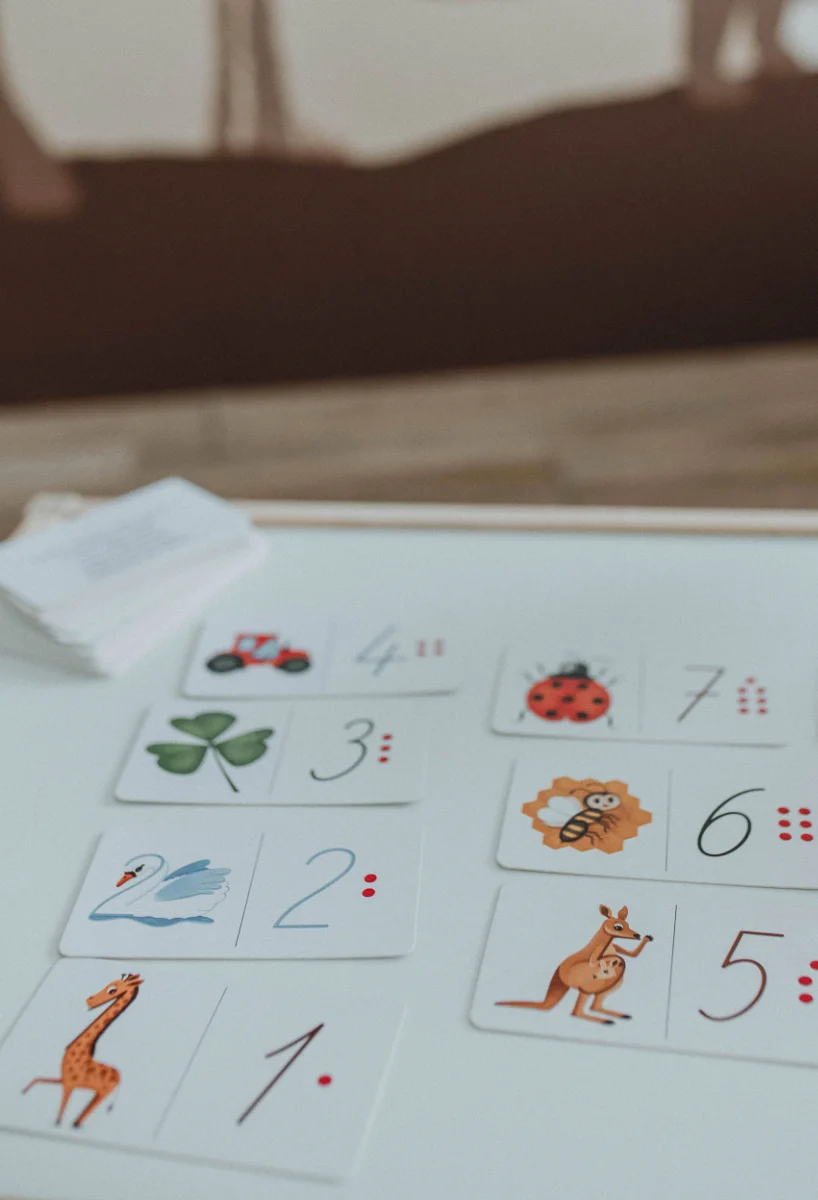
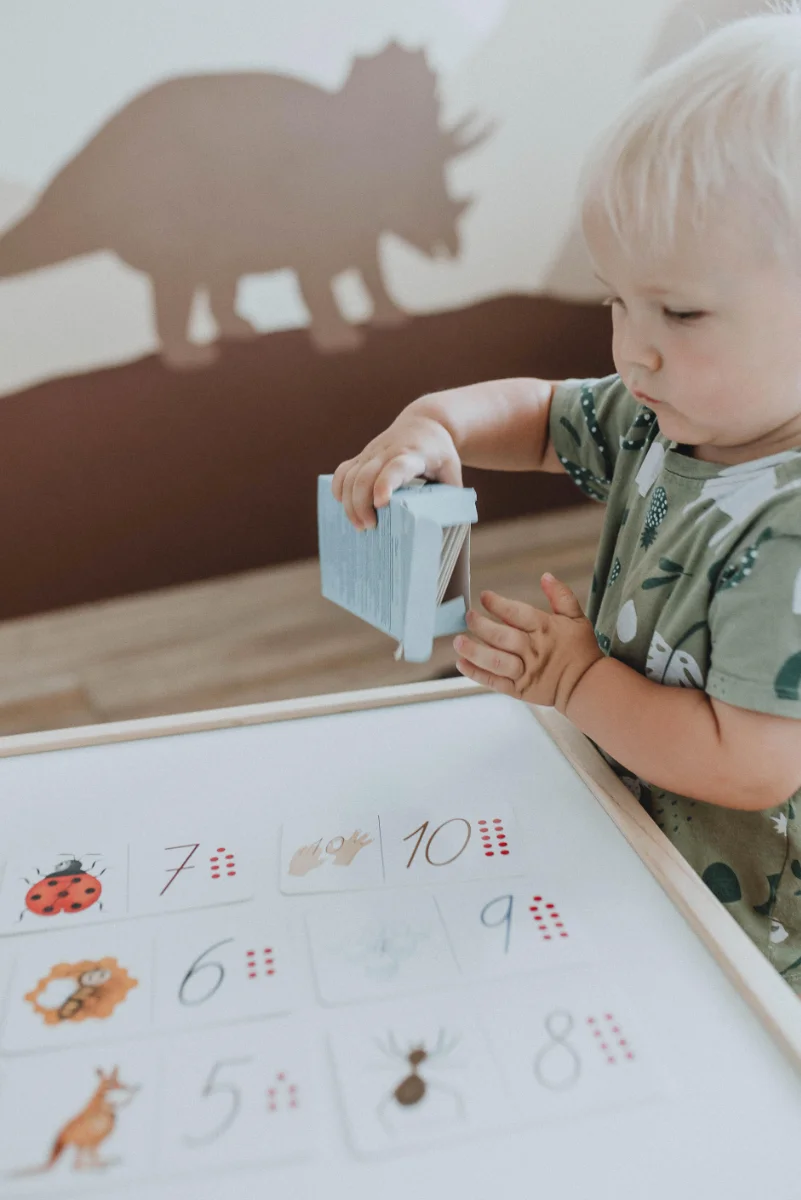
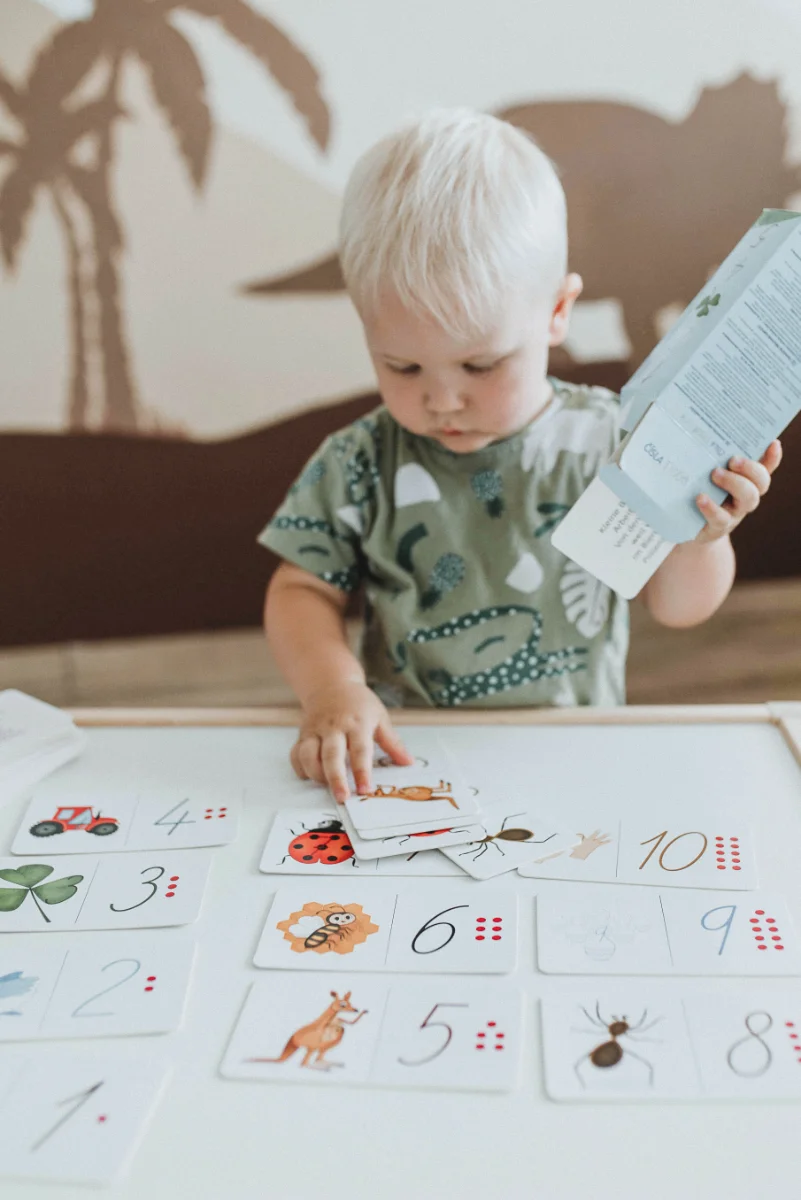
The illustrations visually resemble the shapes of the individual numbers. The shape of the numbers and the illustrations resemble each other. The number is always a natural part of the illustration.

Quantitative matching
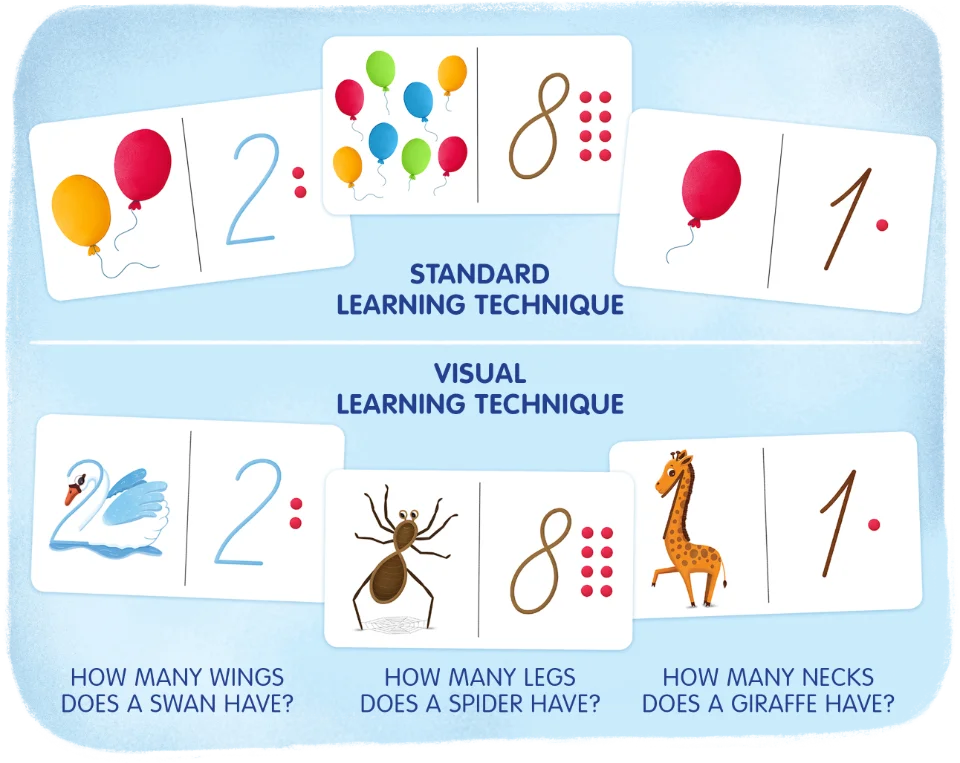
Illustrations capture the quantitative value of the number shown. The displayed value of the number in the illustrations is generally known and fixed.
For example, the number 2 is visually identical to the illustration of the swan and at the same time the illustration contains the quantitative value of the number 2 (How many wings does the swan have? Well, 2!), i.e. there is a quantitative correspondence between the number and the illustration, thanks to which the child learns to recognize the real value and not just mechanically name or repeat the number series. In comparison, in conventional number teaching, the quantitative value of the figure is nominal. For example, the same balloons are shown for the numbers 2, 8, 1, etc., which can be confusing for a child who is learning the value of the numbers.

The story
On the back of each flashcard there is a story in verse that conveys the essence of the illustration and the quantitative value of the number.
NUMBERS BIT DIFFERENTLY support and develop:









The surface of the flashcards can be written on and erased (with a marker provided for this purpose).
This allows the child to practise the basic form of numbers and graphomotor skills directly on the flashcard under the supervision of the parent/teacher.
- The pack contains: 37 flashcards, of which: 26 letters of the alphabet (from A to Z), 11 numbers (from 0 to 10)
- Size of the flashcards: 7.5 x 13 cm
- Thickness of the cards: 1 mm
- Made in the EU